

Explosives in the Raider arsenal—whether repurposed mining charges, salvaged military grenades, or chemically unstable ARC power cores—represent the ultimate in concentrated destructive potential. However, to treat them merely as tools for indiscriminate damage is a gross waste of scarce resources. The true art lies in Calculated Detonation: the strategic application of blast radius and kinetic shock to achieve tactical objectives far beyond simple demolition.
This analysis details the three core doctrines of explosive deployment: Breaching, Trapping, and Dismantling, ensuring that every volatile compound serves a maximum strategic purpose.
The Breaching Doctrine: Controlled Structural Failure
Breaching is the most common use of explosives, but even this must be strategic. A successful breach is not merely creating a hole; it is creating a controlled line of sight or an escape vector while minimizing collateral damage to the salvageable environment.
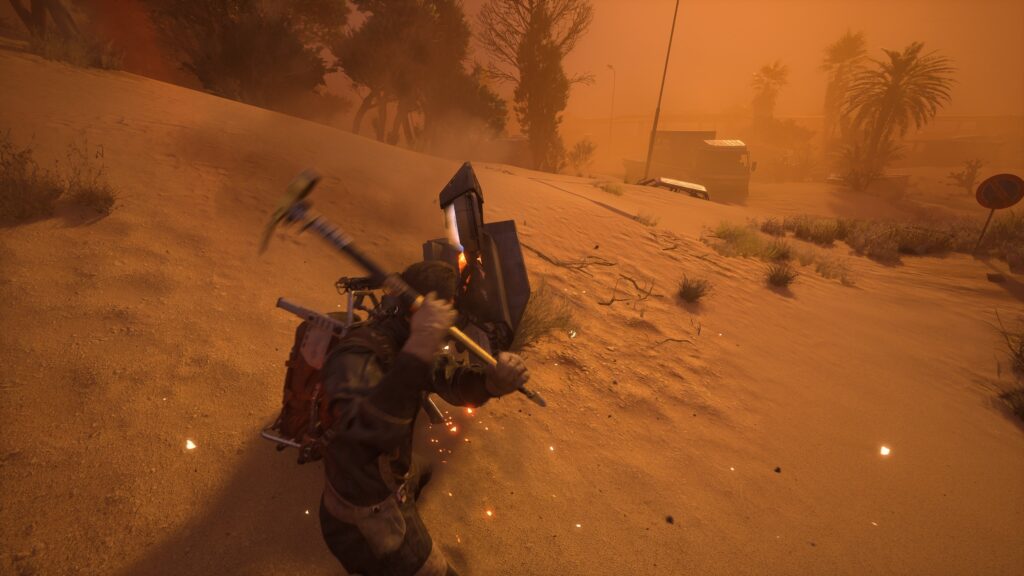
Raiders must utilize their knowledge of pre-collapse structural design to calculate the minimum necessary charge to collapse a ceiling or rupture a door mechanism, reserving the powerful Fusion Charges for armored targets. Breaching charges are also used to trigger *secondary collapses*, trapping pursuing ARC units under tons of rubble, effectively neutralizing a high-threat patrol with minimal direct ammunition expenditure.
The Trapping Doctrine: Environmental Interdiction
Explosives are often most effective when they are not delivered directly, but are deployed to shape the battlefield. The Trapping Doctrine involves using low-yield, proximity-fused charges to establish Kill Zones. This is critical when defending extraction zones or holding a narrow corridor.
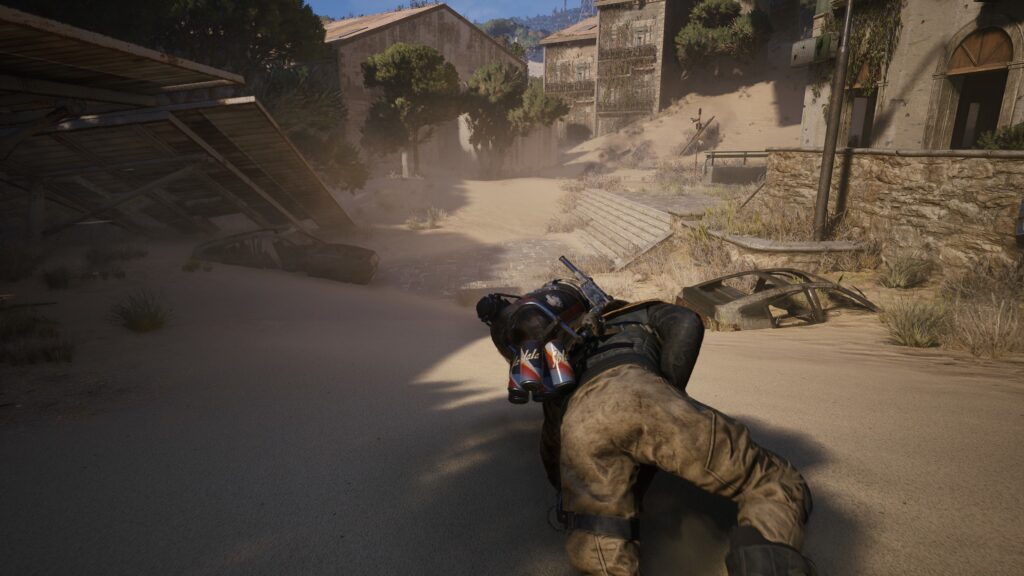
By placing charges near volatile environmental assets (such as industrial fuel tanks or pressurized steam pipes), Raiders ensure that incoming ARC units trigger a chain reaction, multiplying the explosion’s damage. This turns the environment itself into a defensive weapon, relying on the enemy’s predictable pathing toward the objective.
Dismantling: Targeting Component Failure
Against large, heavily armored units (e.g., Wardens), indiscriminate blasting is ineffective. The Dismantling Doctrine requires placing high-impact explosives directly onto specific structural weak points—such as the servo joints or the rear fusion core housing. The goal is not merely to kill the unit, but to rupture a core system, causing a localized power failure or initiating an uncontrolled self-destruct sequence. This method ensures maximum damage against durable threats, allowing a single expensive charge to achieve what dozens of rifle rounds could not.
Synergy with Area Denial Gadgets
Calculated Detonation rarely occurs in isolation. It relies heavily on synergy with area denial gadgets. A Raider might deploy a Jammer Grenade to halt or confuse a patrol, allowing a second Raider to move forward safely and precisely place a timed sticky charge on the immobilized target. Similarly, Shock Traps can temporarily disable a unit’s movement, providing a guaranteed window to place a powerful charge for a lethal Dismantling strike.
The Risk of Detonation Chain Reactions
While powerful, explosives carry the inherent risk of uncontrolled chain reactions. Raiders must meticulously assess the presence of unstable scavenged materials, fuel vapors, or live electrical conduits near their target zones.

A poorly placed charge can rupture a nearby reactor core or power conduit, resulting in mission failure due to environmental hazards. Explosive use is thus a measure of both courage and environmental awareness.
Conclusion: The Precision of Destruction
The strategic use of explosives transforms these destructive tools into precision instruments.
By mastering the calculated application of blast radius for Breaching, the psychological advantage of Trapping, and the resource efficiency of Dismantling, Raiders ensure that the high cost of explosives is always matched by maximum tactical gain, securing critical ground with intelligent destruction.
Leave a Reply