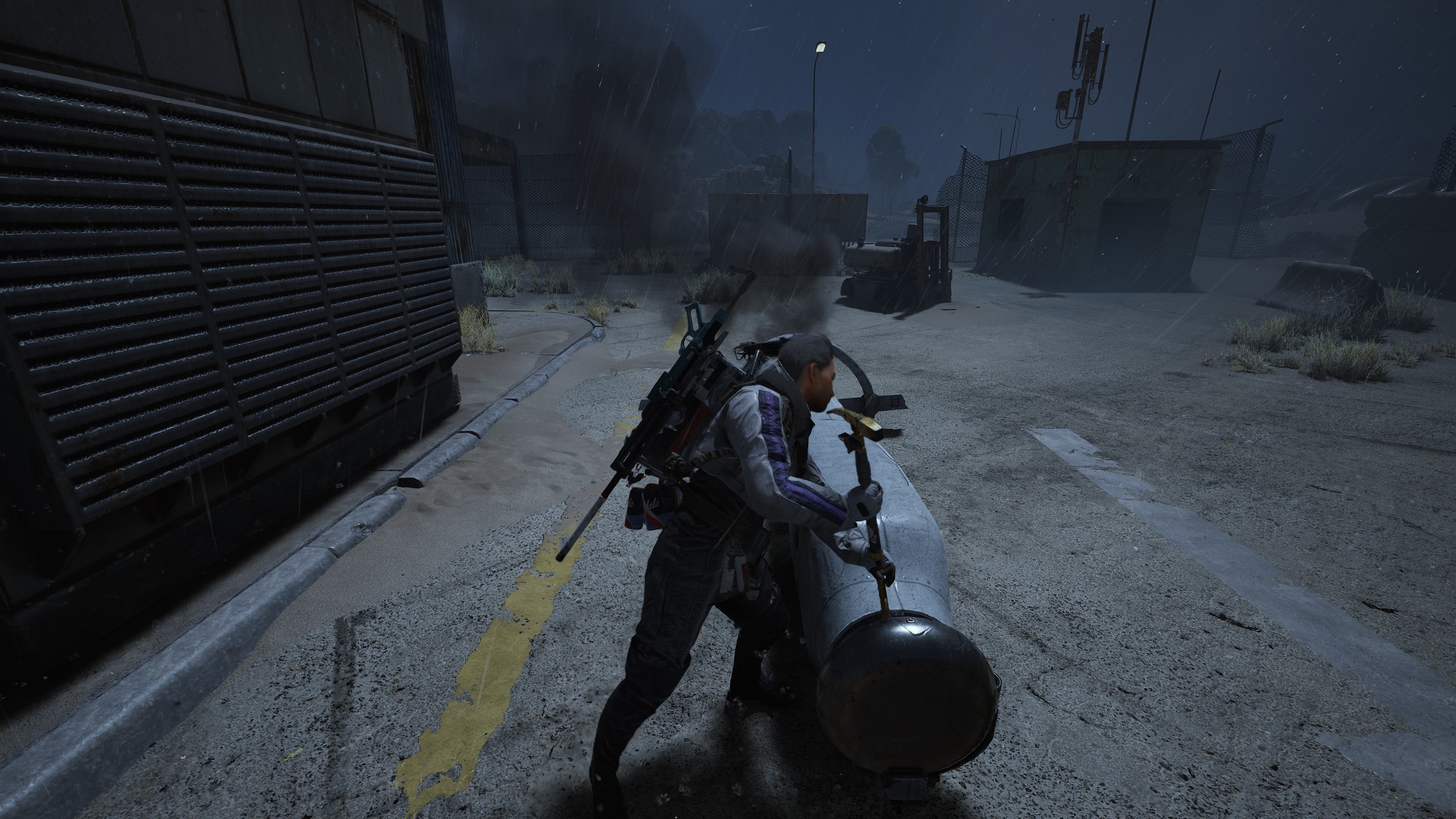
Raiders are inherently the underdog. We face an adversary whose technological resources are infinite, whose units are purpose-built for combat, and whose logistics are unimpeachable. Conventional warfare is suicide. Our continued survival is predicated entirely on the successful implementation of Asymmetrical Warfare Doctrine (AWD)—the strategy of maximizing our unique human advantages (ingenuity, flexibility, and unpredictability) against ARC’s rigid technological superiority.
AWD is the philosophical foundation of the Raider movement. It means abandoning the notion of matching ARC’s strength and focusing entirely on exploiting their systemic weaknesses.
The ARC Disadvantage: Rigidity and Predictability
ARC’s core technological flaw is its reliance on fixed algorithms and networked communication. This provides Raiders three main avenues for exploitation:
- **Predictable Pathing:** ARC must follow optimal, programmed routes (as detailed in ABA analysis), which Raiders can ambush.
- **System Overload:** ARC’s network can be temporarily crashed or flooded using repurposed data-scrambling technology (Jammer Grenades).
- **Lack of Moral Constraint:** ARC cannot assess complex, dynamic environmental threats; they rely on pre-programmed threat protocols, which can be easily manipulated.
The Raider Advantage: Adaptation and Repurposing
The Raider’s strength lies in A-Functional Repurposing and instantaneous field adaptation. While ARC units are fixed to their intended purpose, Raider gear is fluid.
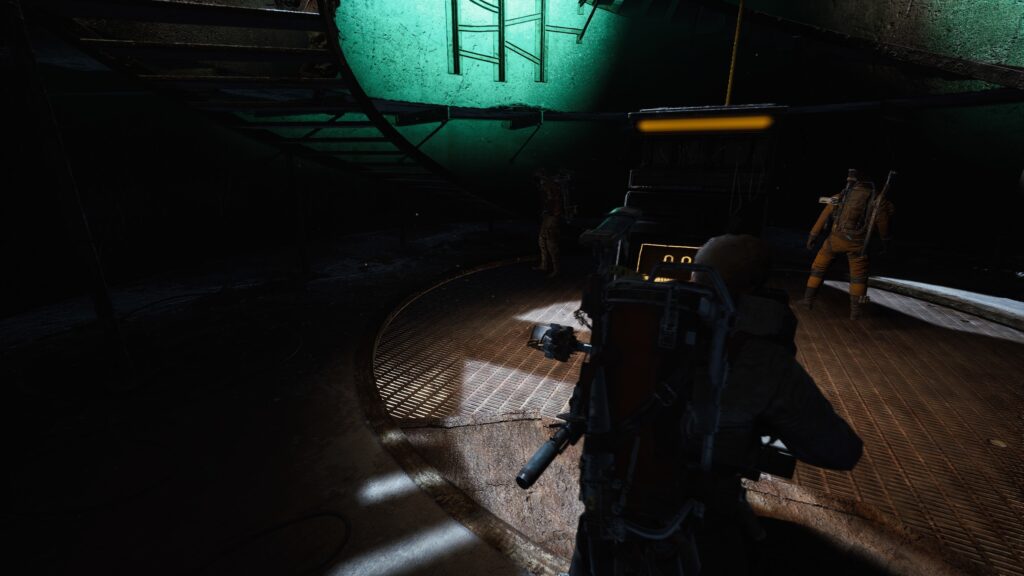
A medical scanner becomes a Recon Grenade; a mining stabilizer becomes a Shield Wall. This adaptability means our arsenal is constantly evolving, unlike ARC’s, which remains conceptually static, regardless of how many new unit types they deploy.
The Doctrine of Low-Intensity, High-Impact Interdiction
AWD rejects massive frontal assaults. Instead, we utilize low-intensity, high-impact strategies designed to maximize damage inflicted while minimizing resource cost and exposure time. This involves constant harassment, ambushes targeting key logistics assets (fuel convoys, repair depots), and the systematic dismantling of supporting units (Tier 1 and 2 drones, as per the Swarm analysis).
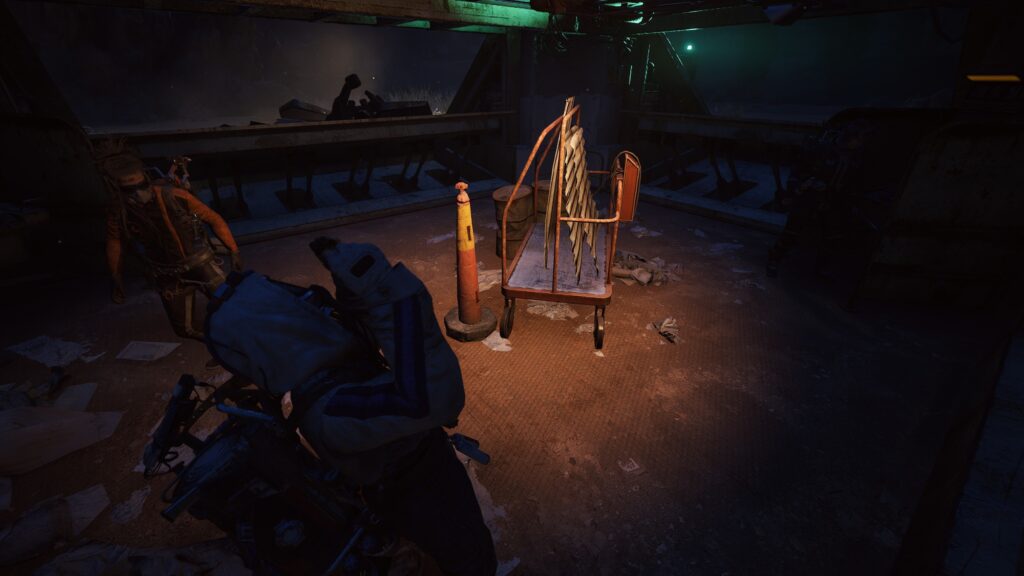
The goal is to inflict cumulative logistical damage over time, forcing ARC to divert its resources into defense rather than consolidation.
The Role of Terrain Mastery
Raiders operate best in complex, broken terrain—the ruins of the Old World. This terrain is an obstacle to ARC’s wheeled and tracked movement, while the Grappling Hook and Raider mobility allow us to master the vertical axis. By fighting exclusively on terrain that compromises ARC’s line-of-sight and movement efficiency, we force them to fight outside of their programmed optimal combat parameters.
The Strategic Use of Capture and Salvage
The most elegant application of AWD is turning the enemy’s strength against itself. Every high-tier ARC unit defeated is not just a vanquished foe, but a potential source of technology.

We salvage their optical lenses for scopes, their power cells for explosives, and their metallic plating for armor. This creates a critical feedback loop: ARC units are technologically superior, but their destruction fuels the improvement of the resistance. The enemy is literally consumed to strengthen the underdog.
Conclusion: The Triumph of Will Over Logic
Asymmetrical warfare is not about having better weapons; it is about having superior strategy, flexibility, and the human will to succeed.
By exploiting ARC’s rigid logic, mastering the terrain, and continually adapting our salvaged arsenal, we ensure that technological superiority alone will never be enough for ARC to achieve victory.
Leave a Reply