Why Events in Tarkov Are Different
Escape from Tarkov doesn’t follow the typical blueprint for seasonal events seen in other online games. Instead of flashy cosmetics or holiday skins, events here disrupt the entire flow of gameplay. Developers often introduce sudden changes that alter trader availability, loot tables, or scav mechanics, catching players completely off guard. These events are not advertised weeks in advance with roadmaps—they appear suddenly, throwing the economy, strategies, and survival priorities into chaos. The unpredictability makes every event feel like a global challenge that forces everyone to adjust on the fly.
Because these events hit without warning, the Tarkov community quickly mobilizes to share information and strategies. Within hours, forums, Discord groups, and social media fill with speculation and reports of how each event is unfolding. Players who adapt quickly can reap huge rewards, while those who hesitate may find themselves at a severe disadvantage. This combination of surprise, high stakes, and opportunity is what makes Tarkov events stand out compared to other games, where seasonal updates are often predictable and cosmetic-driven.
Major Types of Seasonal Events
Not all Tarkov events affect players in the same way. Some hit the economy, while others impact PvP intensity or scav behavior. Trader lockouts, for example, remove access to certain NPCs like Therapist or Fence, forcing players to barter with others or find creative solutions. Suddenly, an item that was previously considered trash can skyrocket in value simply because it becomes critical for progression. These lockouts reshape the marketplace and give sharp-eyed traders an opportunity to make huge profits.
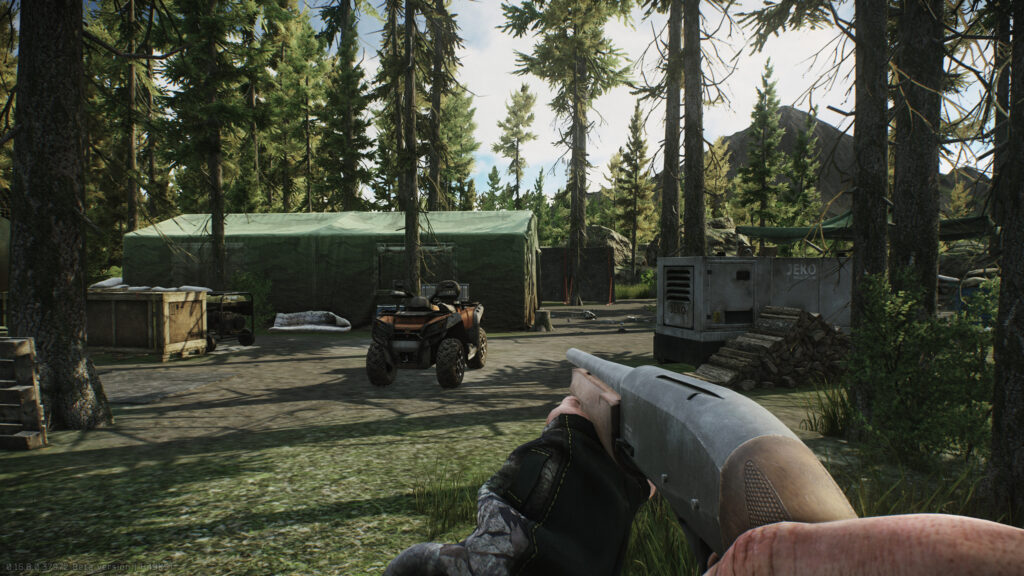
Other events focus on global buffs or raid modifiers. These can include mechanics like 100% scav karma gain, guaranteed healing skill XP, or dramatically boosted raid boss spawns. They shift the meta for a short time, making certain strategies incredibly lucrative. Economy tweaks, such as flea market shutdowns or fuel crises, throw players into resource scarcity and create new market dynamics. Each event, whether large or small, forces players to rethink their habits and adapt to temporary but impactful conditions.
- Trader Lockouts: Disabling key traders like Therapist or Fence, pushing players to barter and adapt.
- Global Buffs: Events like 100% scav karma gain or guaranteed healing skill XP from every medical use.
- Raid Modifiers: Increased cultist spawns, no scav cooldowns, or changes to AI aggression and accuracy.
- Economy Tweaks: Flea market shutdowns, inflation events, or extreme fuel scarcity that changes hideout dynamics.
The Player Impact: Risk, Reward, and Chaos
For players, every event means recalculating the risks and rewards of entering raids. When raiders replace regular scavs, firefights become deadlier but also more profitable because AI enemies drop high-tier loot. A missing trader can send prices for even basic medical supplies through the roof, meaning preparation before raids becomes more expensive. The reward is there, but the cost and risk climb dramatically. Players who recognize these patterns early can prepare ahead, stocking up on valuable items before the wider community realizes their new worth.
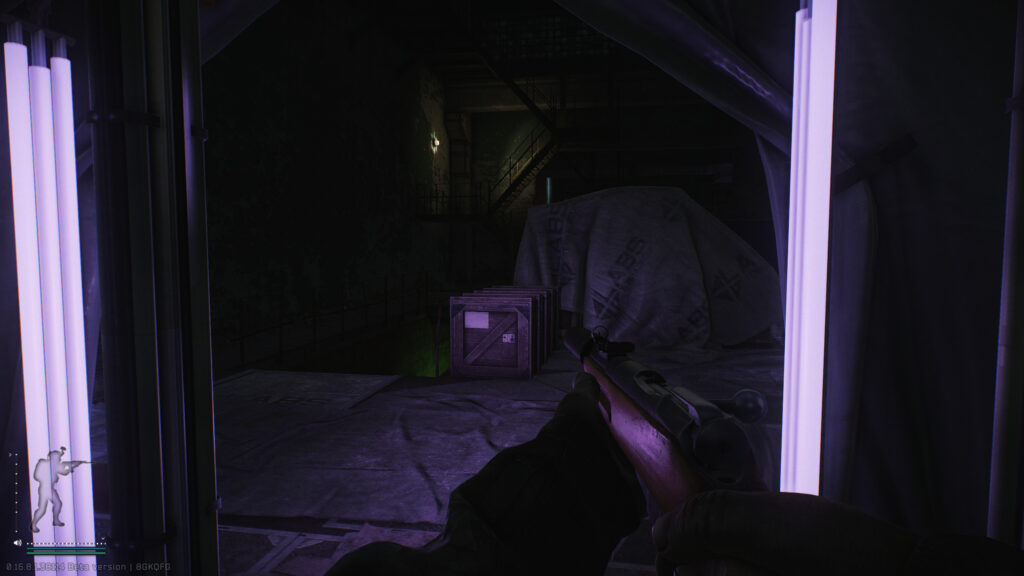
For less experienced or casual players, however, events can create confusion and difficulty. A sudden rise in AI aggression may catch them off guard, while economic disruptions can make basic supplies unaffordable. In these cases, adaptation is key. Those who treat events as challenges rather than setbacks often come out stronger, as they learn to pivot strategies, experiment with new gear, and discover fresh opportunities that weren’t viable before. In this way, events don’t just test survival skills—they test adaptability.
Historical Event Highlights
Tarkov’s event history is filled with examples that showcase just how disruptive—and exciting—they can be. One memorable event was the Christmas Scav Madness, which removed scav cooldowns and boosted XP gains. Suddenly, everyone was running scavs nonstop, leading to rapid leveling and a massive spike in community activity. Another was the Fuel Crisis, which multiplied hideout fuel costs by four. Items like gas analyzers and fuel tanks became incredibly expensive, pushing players to grind or trade aggressively to keep their hideouts running.
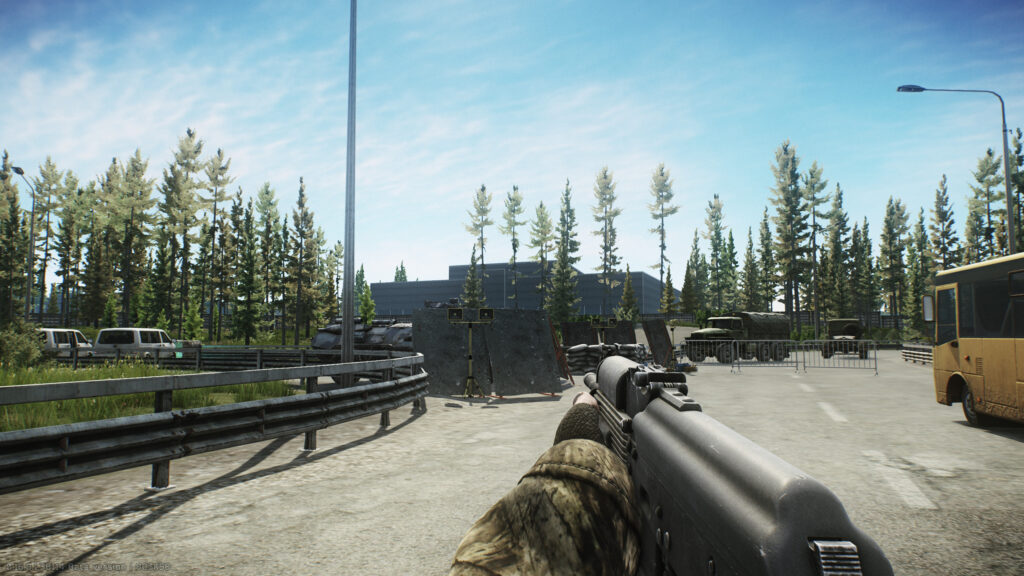
Boss invasions also stand out, such as the Sanitar Invasion, where the Factory map was flooded with the boss Sanitar and his guards. This created a mix of PvE and PvP chaos, as players hunted for rare loot while fending off both AI and other PMCs. Events like these show that the developers use them not just as distractions, but as experiments that fundamentally alter the flow of Tarkov. They serve as reminders that no wipe is ever the same, and every event leaves its mark on the player base.
| Event | Effect | Duration | Community Impact |
|---|---|---|---|
| Christmas Scav Madness | No cooldown + boosted XP | 7 days | Huge leveling spike for scavs |
| Fuel Crisis | Hideout fuel cost x4 | 5 days | Gas analyzer prices soared |
| Sanitar Invasion | Boss spawns in Factory | 3 days | Extreme PvP and farming focus |
Why They Actually Matter
Seasonal events in Tarkov go far beyond temporary novelties. They serve as catalysts that change how the game is played for days or weeks at a time. Hardcore players log in daily during these windows because they don’t want to miss out on lucrative loot spikes, XP boosts, or rare economic opportunities. For many, the events provide motivation to keep playing even late into a wipe cycle, when progression might otherwise feel stale. The thrill of unpredictability ensures that no wipe feels repetitive, keeping Tarkov’s gameplay loop alive and dynamic.
These events also matter because they test a player’s ability to adapt. A good raid strategy in normal conditions might completely fail during an event, forcing new approaches. They encourage creativity, experimentation, and a willingness to think outside the box. In short, they remind players that Tarkov is not just about shooting and looting—it is about survival under constantly shifting conditions. By embracing events, players don’t just earn better rewards—they develop skills that carry over to the rest of the game.
Leave a Reply