
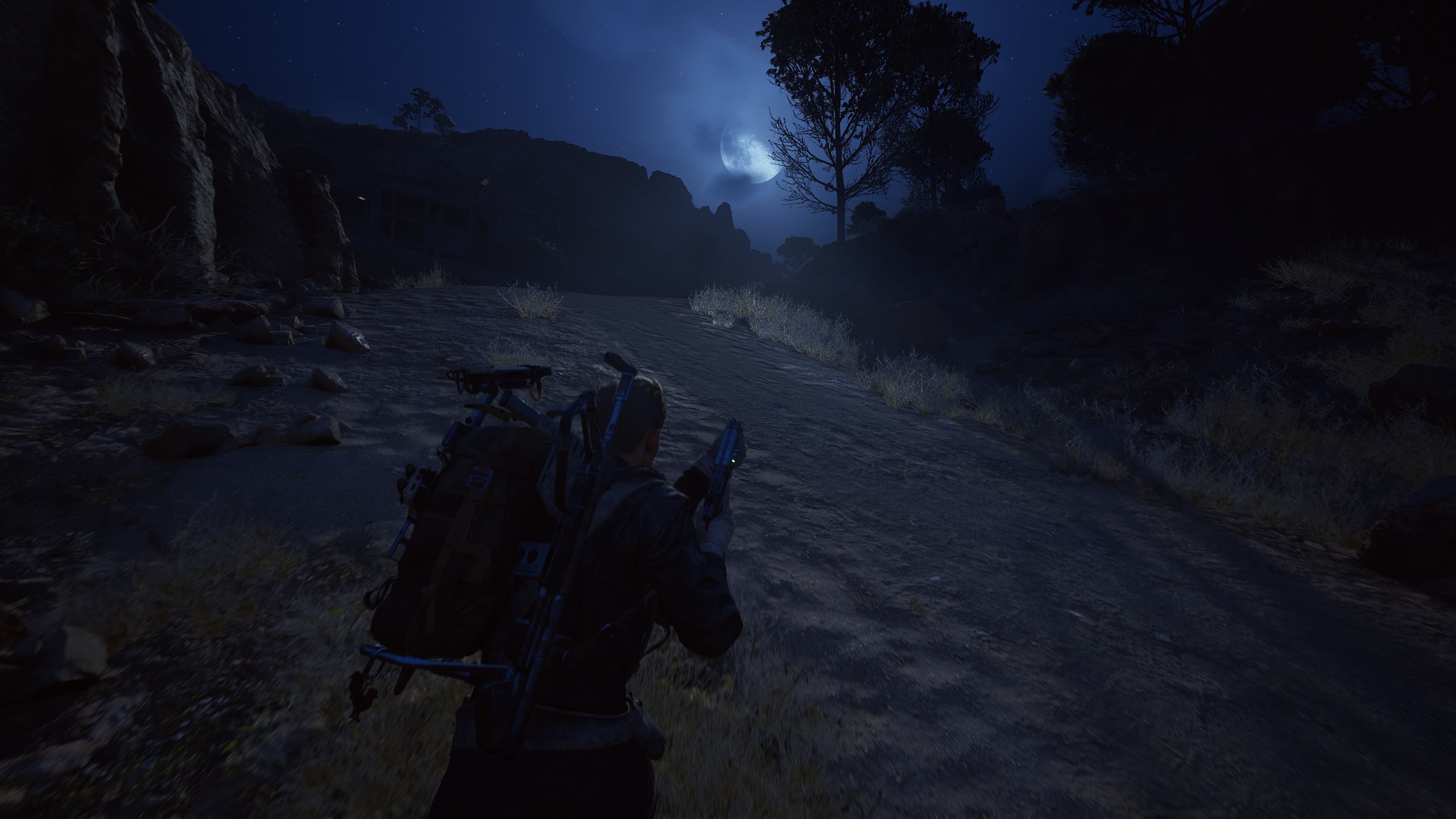
The diurnal cycle on X-Isle profoundly alters the tactical landscape. The shift from the harsh, high-visibility daytime to the opaque, sensor-dampening night is not merely a change in lighting; it is a fundamental shift in the rules of engagement. For Raiders, the night presents both extreme dangers and unprecedented tactical opportunities. The discipline required for navigating these hours is Nocturnal Threat Mitigation (NTM), focused on leveraging low visibility while negating ARC’s superior sensor packages.
Successful night operations require specialized gear and a radical adjustment in combat posture, acknowledging that light and darkness are just as much weapons as any grenade or rifle.
The Challenge of ARC Sensor Superiority
While human vision is compromised by darkness, ARC units rely on multi-spectral sensor arrays (thermal, motion, acoustic). Darkness limits ARC’s optical tracking but does little to impede their core threat detection. Thus, NTM must focus on degrading those sensory inputs:
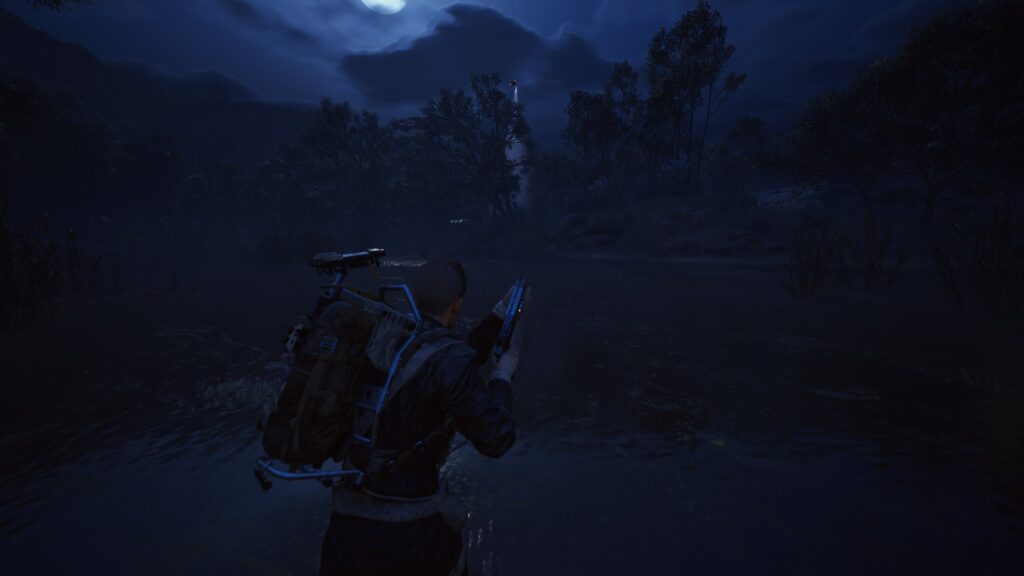
- Acoustic Suppression: Reducing all movement noise (no sprinting, utilizing dampened footsteps).
- Thermal Masking: Employing environmental cover (water bodies, dense vegetation) to break up thermal signatures.
- Visual Deception: Using the deep shadow to break line-of-sight and exploit the narrow field-of-view of specific ARC units (e.g., Wardens).
The Tactical Benefit of Limited Visibility
Paradoxically, the darkness is our greatest ally in close quarters. ARC units, while possessing superior sensors, must communicate data across the network to coordinate fire.
Low visibility introduces natural ‘data dampening’—the latency of sharing visual and motion tracking information is increased. This gives Raiders a critical advantage in CQC, allowing rapid, unseen flanking maneuvers that would be impossible during the day.
Gear Integration for Nocturnal Operations
Successful NTM mandates the integration of specific, often specialized, gear to equalize the playing field:
| Gadget/Gear | Nocturnal Tactical Function | Risk/Countermeasure |
|---|---|---|
| Recon Grenade | Provides instant, localized enemy position data, overriding darkness for human operators. Essential for situational awareness. | The launch sound is highly audible; must be deployed from concealed positions. |
| Jammer Grenade | Temporarily crashes ARC’s localized sensor package, blind-siding them in total darkness. | Requires precise placement; duration is limited. |
| Low-Powered Optic (Modified) | Amplifies ambient light (moon/stars), giving human eyes a narrow advantage over distance. | Useless in heavy cloud cover or dense indoor environments. |
Mitigating Environmental Hazards
The night increases the risk from non-ARC threats. Poor visibility dramatically increases the chance of misjudging terrain, falling from broken structures, or inadvertently triggering environmental traps (e.g., chemical spills, unstable debris fields).
NTM dictates slower, more cautious traversal unless a decisive combat advantage has been secured.
The Night Cycle and Extraction
Extraction during the night cycle offers the highest rate of success due to the natural concealment. However, this is when ARC deploys its heaviest, slowest patrols (often requiring fewer sensors and more heavy plating). Raiders must maintain communication and coordinate extraction movements with maximum silence and precise use of gadgets to neutralize the heavy presence guarding the extraction points.
Conclusion: Mastering the Shadow
The night on X-Isle is a double-edged sword: it conceals us from view but leaves us vulnerable to unseen detection.
By understanding and actively degrading ARC’s sensor superiority, Raiders convert the tactical disadvantage of darkness into an asymmetrical weapon, allowing us to strike decisively where the enemy believes they are safest.
Leave a Reply