
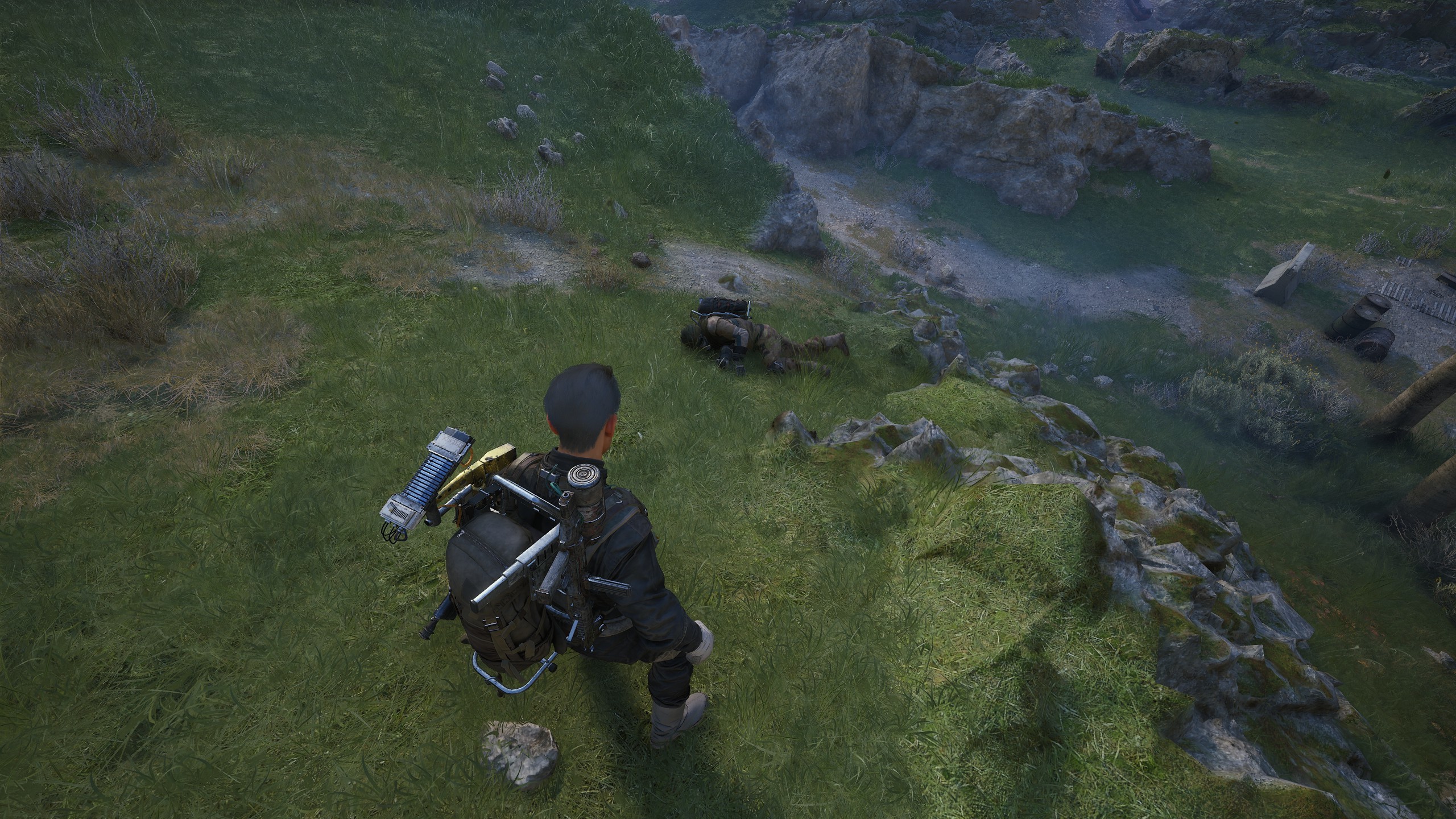
The success of any Raider operation hinges on the ability to anticipate enemy presence. Unlike human adversaries, ARC units operate according to highly predictable, algorithmic logic designed for maximum efficiency in surveillance and resource protection. This rigidity, while intended to optimize their defense of X-Isle, has become their singular strategic vulnerability. The discipline of Algorithmic Behavioral Analysis (ABA) is the Raider specialization dedicated to exploiting this predictability.
This document details the critical components of ABA, allowing Raider teams to transition from reactive survival to proactive interception, ensuring they control the terms of engagement.
The Principle of Objective-Based Pathing
ARC patrols do not wander; they move with purpose, their routes dictated by clearly defined objectives: resource cache defense, infrastructure maintenance, or territorial consolidation.
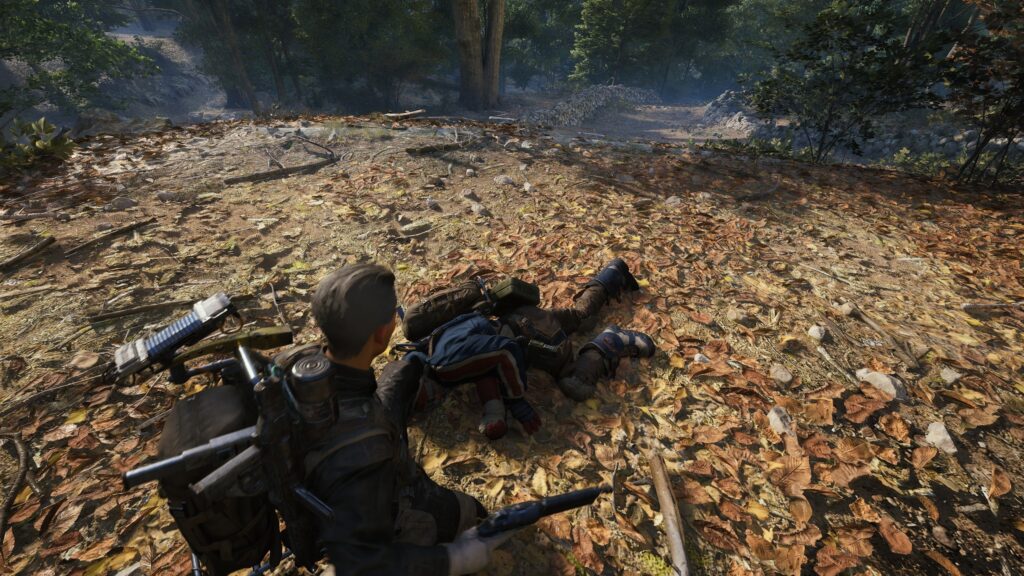
The core principle of ABA is recognizing that patrol routes are not random lines, but networks connecting these critical points. By using captured GRAIL survey maps and integrating real-time Recon Grenade data, Raiders can accurately model the probability density of ARC movement.
Identifying Static and Dynamic Route Elements
ARC patrol patterns consist of two main components, both of which must be understood to predict interception opportunities:
- Static Elements (Anchors): These are permanent geographical features or infrastructure points that ARC must visit or defend. Examples include established resource extraction silos, primary energy conduits, and hardened bunker entrances. These points serve as mandatory endpoints for all major patrol rotations.
- Dynamic Elements (Variable Links): These are the pathways connecting the anchors. These links change based on real-time environmental factors (recent combat damage, local weather patterns, or Raider disruption). ABA dictates that Raiders must monitor recent ARC activity logs to determine which links are currently prioritized by the local ARC sub-net.
Modeling the Patrol Cycle and Interception Windows
Most large-scale ARC patrols operate on a strict 15-to-20 minute cycle, known as the **Consolidation Loop**. Understanding this cycle is vital for maximizing ambush efficacy.

An interception window exists when a patrol leaves a high-density area (Anchor) and travels along a low-density link (Variable Link). This allows Raiders to engage the enemy on terrain of their choosing, far from the protective backup of automated turrets or centralized power cores.
Exploiting Route Latency
When an ARC patrol detects damage or disruption, their programming dictates an immediate path recalculation to assess the threat. This recalculation introduces a brief period of **Route Latency**—a critical moment where their pathing temporarily stalls or becomes non-optimal. Experienced Raiders intentionally cause minor, low-risk disruptions (e.g., triggering a distant alarm) to induce this latency, diverting the patrol into pre-prepared kill zones or away from a planned extraction route.
The ARC Response to Disruption
A persistent risk of ABA is that while ARC’s internal logic is rigid, their reaction protocols are powerful.
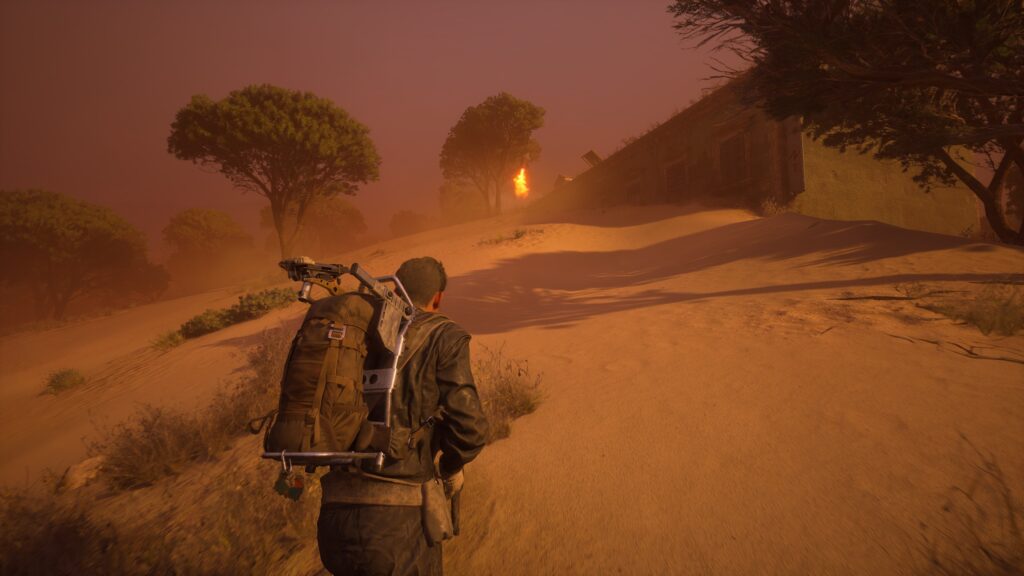
Repeatedly ambushing the same variable link will trigger a localized ARC response, replacing the standard patrol with specialized counter-units (e.g., heavy armored Wardens) or establishing permanent defensive emplacements. Effective ABA requires constant novelty; Raiders must rotate their interception points to prevent ARC from adapting its defensive topology.
Conclusion: Controlling the Engagement
By studying ARC’s movements with the analytical rigor of ABA, we transform their logistical predictability from a defensive shield into a tactical liability.
We cease reacting to their movements and begin dictating them, ensuring that every encounter takes place on our terms, maximizing our meager firepower against their vast machine resources.
Leave a Reply