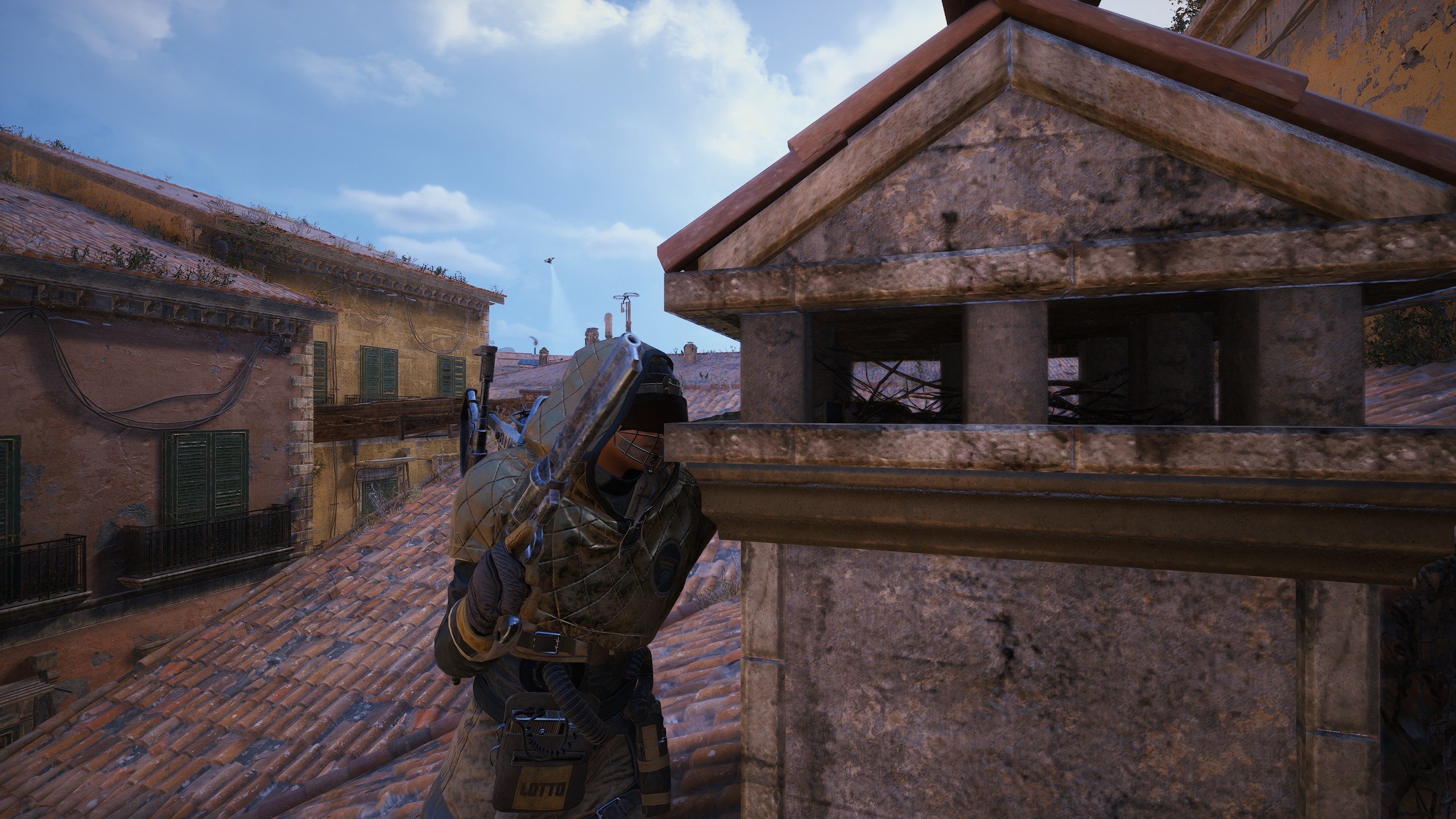
In the doctrine of Raider survival, engagement is often an act of desperation. While long-range conservation is critical, the reality of urban environments and tight ARC patrols necessitates proficiency in aggressive, close-quarters combat (CQC). The Slide-and-Shoot technique—a field-tested, emergent movement strategy—has become a foundational pillar of CQC, demonstrating the superior agility of human operators against the predictable pathing of ARC units.
This tactical brief analyzes the mechanics, psychological advantages, and necessary equipment mastery required to execute the Slide-and-Shoot maneuver effectively, turning human vulnerability into a decisive weapon.
The Mechanistic Superiority of Low Profile
The Slide-and-Shoot is a simple kinetic maneuver: initiating a sprint, transitioning immediately into a low-profile slide, and maintaining suppressive or aimed fire throughout the low-crouch traversal. Its efficacy against ARC is rooted in robotics programming.
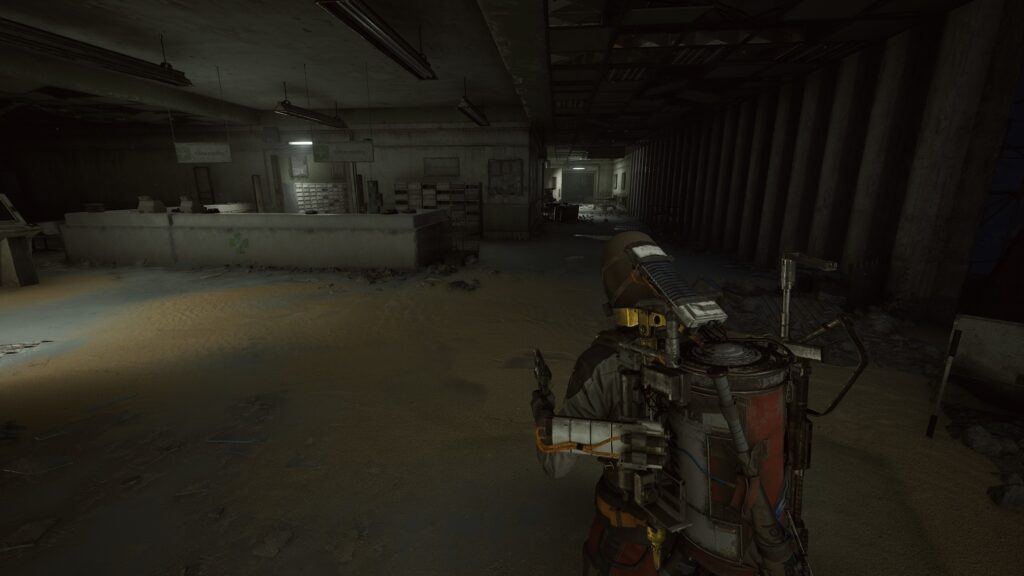
Most ARC units are programmed for optimal target tracking in standard human stance and elevation. The rapid change in vertical profile introduced by the slide causes a momentary, but critical, latency in ARC’s tracking algorithms, creating a brief window for the Raider to deliver damage.
Weapon Platform and Stability Requirements
The technique demands specific weapon handling. High-caliber, heavy weapons (such as repurposed anti-material rifles) are entirely unsuitable due to recoil and stabilization lag.
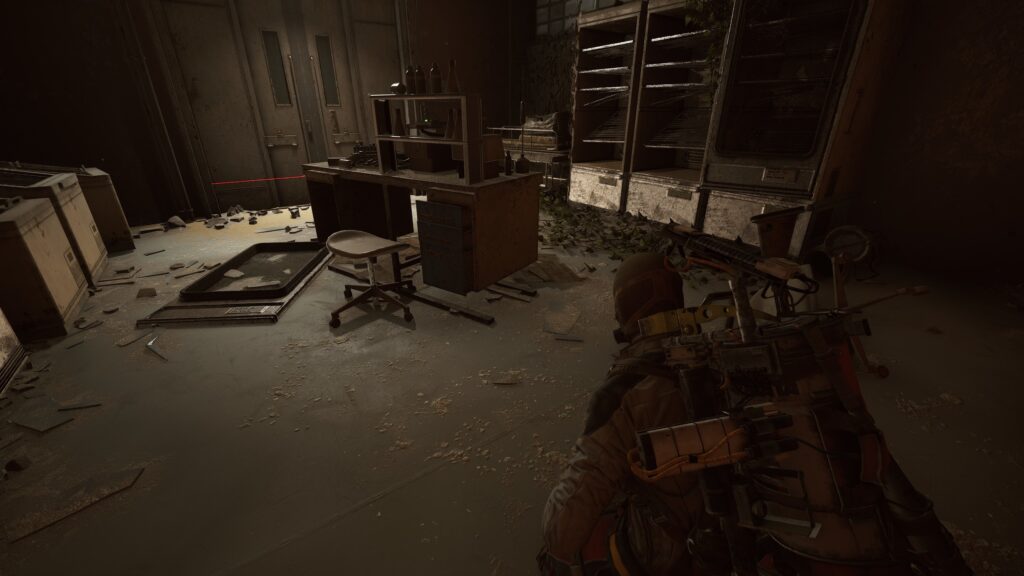
The Slide-and-Shoot is best utilized with light, high-fire-rate platforms (submachine guns or modified carbines). Crucially, Raiders must train their muscle memory to compensate for the shifted point-of-aim caused by the kinetic impact of the slide. Only through rigorous simulation can the Raider ensure that the brief window of low-profile exposure is maximized with accurate, rather than merely suppressive, fire.
The Psychological Disruption
Against human targets, rapid changes in motion are disorienting; against ARC, they are algorithmically disruptive. When a Raider aggressively closes distance using the Slide-and-Shoot, they force the ARC unit to constantly recalibrate its threat assessment and tracking solution. This often leads to over-correction, causing the ARC unit to fire at the Raider’s last known location. This disruption is especially effective against line-of-sight weapons like the Seeker’s energy beam, which relies on a constant vector.
CQC Synergy with Gadgets
The Slide-and-Shoot is rarely used in isolation. It functions optimally as a movement anchor for gadget deployment.

A Raider can initiate the slide to close the distance on an armored enemy, deploying a Shock Trap mid-slide to disable the target’s movement servos, and then finishing the slide to deliver a precise close-range shot into the now-exposed weak point. This synergy of movement, gadget deployment, and precise fire defines modern CQC doctrine.
Risk Assessment and Countermeasures
While powerful, the technique carries inherent risks. The Raider is committed to the full duration of the slide, making them vulnerable to environmental hazards and area-of-effect detonations. Furthermore, advanced ARC units (such as the newer Warden variants) are being deployed with faster tracking routines designed to anticipate vertical displacement. Mastery requires knowing when the terrain or the specific enemy type renders the technique too dangerous to employ.
Conclusion: Agility as the Human Advantage
The Slide-and-Shoot is a pure expression of Raider ingenuity: turning a simple kinetic action into a devastating tactical advantage.
By leveraging our human agility against ARC’s programmed rigidity, we retain the CQC initiative, proving that quick thinking and practiced movement are often more lethal than raw armor plating.
Leave a Reply