
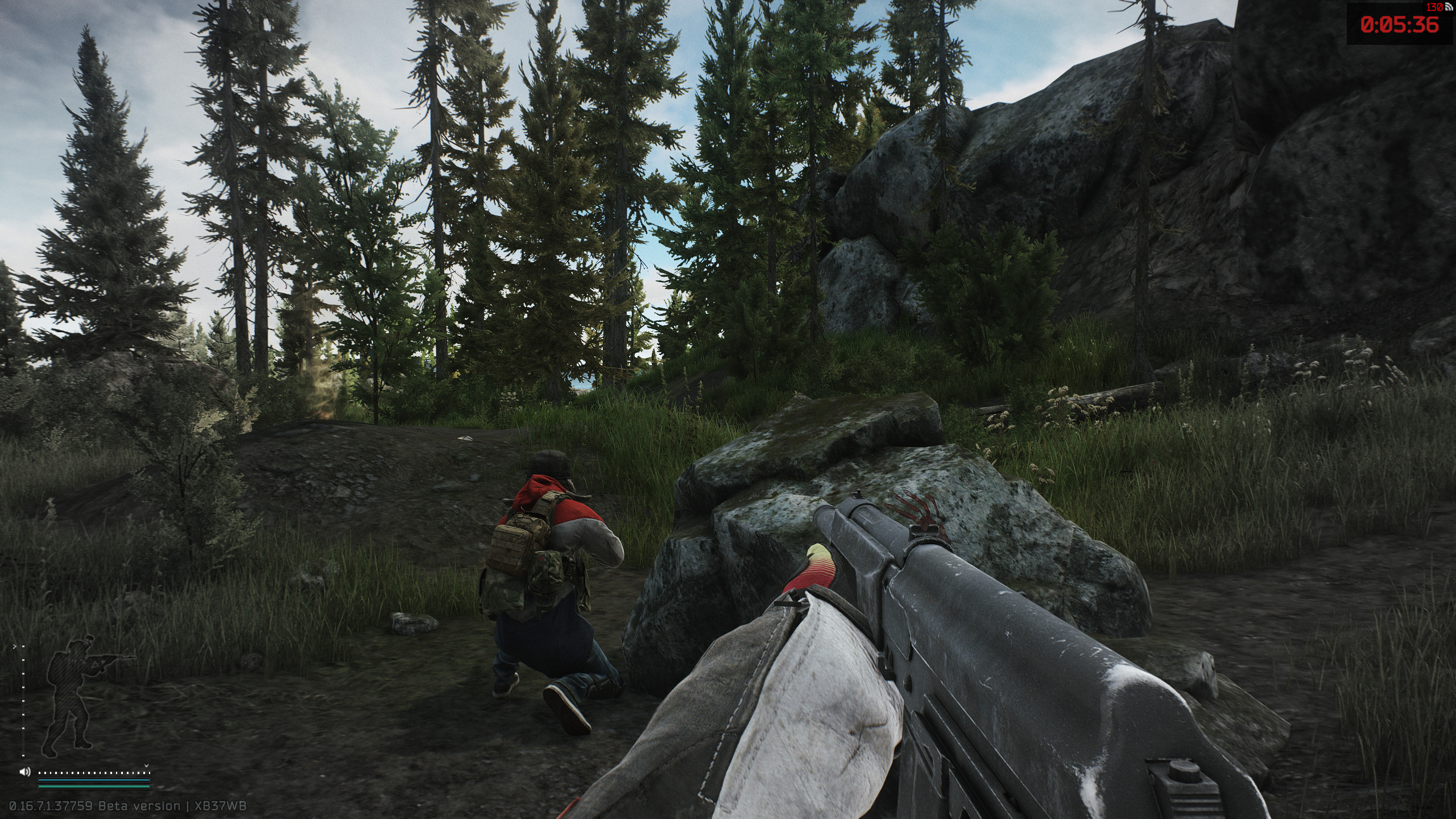
Introduction: Playing Smart, Not Risky
Making money in Escape from Tarkov doesn’t always mean sprinting into PvP fights. There are consistent, low-risk strategies to build up your stash. Whether you’re a new player or recovering from a rough wipe, understanding how to earn safely is critical.
Think of profit in Tarkov as a marathon, not a sprint. The goal is to turn every raid—win or lose—into forward momentum. By prioritizing survival, smart routing, and market awareness, you can steadily accumulate roubles without gambling your best kits. This mindset reduces tilt after deaths, keeps your stash liquid, and lets you reserve high-end gear for fights that truly matter.
Adopt a “risk budget” each session: decide how much gear and time you’re willing to risk and allocate it intentionally. If you blow that budget early, switch to safer money-makers instead of chasing losses. This discipline prevents panic-buying gear, preserves morale, and keeps your progression curve smooth.
Scav Runs: The Daily Rouble Farm
Use Scav runs wisely—factory or Interchange are ideal for quick loot in low-pressure zones. Scav karma boosts cooldown speed and improves your gear. With smart looting and exfil timing, Scav runs are your passive income engine.
Capitalize on mid-to-late raid timing: spawn in, listen for gunfire trails, and sweep areas already cleared by PMCs. Grab dropped backpacks, check bodies that AI Scavs ignored, and hit overlooked containers like toolboxes and duffle bags. Extract as soon as your inventory is value-dense—staying longer rarely increases profit proportionally and raises the risk of running into kitted PMCs finishing their routes.
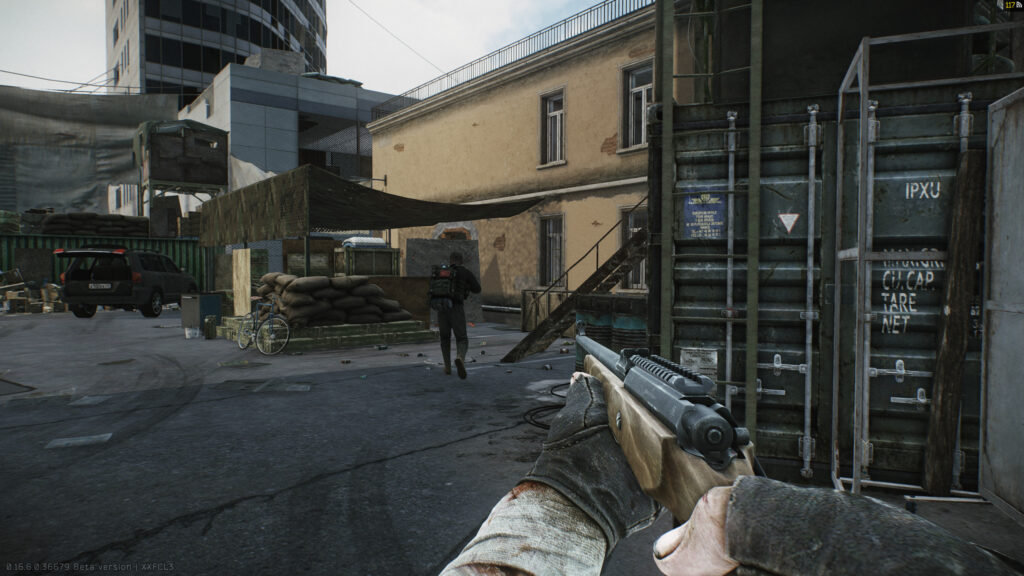
Track your Scav cooldowns and chain them with hideout crafts: start a craft, run a Scav, sell the haul, restart the craft. As karma improves, you’ll rotate faster, essentially creating a loop of “free” raids that constantly drip-feed roubles and barter items back into your PMC economy.
Don’t ignore faction dynamics: killing player Scavs tanks karma, but defending them or killing traitor Scavs can boost it. Treat AI and player Scavs as allies unless they shoot first—this goodwill often lets you traverse contested areas unchallenged and scoop loot others would have to fight for.
Best Low-Risk Items to Loot
- Electric motors and power cords (for barters and crafts)
- USB drives and flash drives (quests and market)
- High-value barter items like Bitcoin, Tetriz, and VPX
- Medical loot: Salewas, CMS kits, AI-2s
- Loose ammo like M855A1, AP rounds
Prioritize small, stackable items with consistent demand—electronics, meds, and rare barter pieces fit perfectly here. Keep a mental “value per slot” threshold: if an item doesn’t beat it, leave it. Ammo stacks, military cables, GPUs, and intelligence folders routinely outpace bulky armor or low-tier guns. Learn which trader pays best for what (e.g., Mechanic for weapon parts, Therapist for meds) to squeeze extra profit without flea fees.
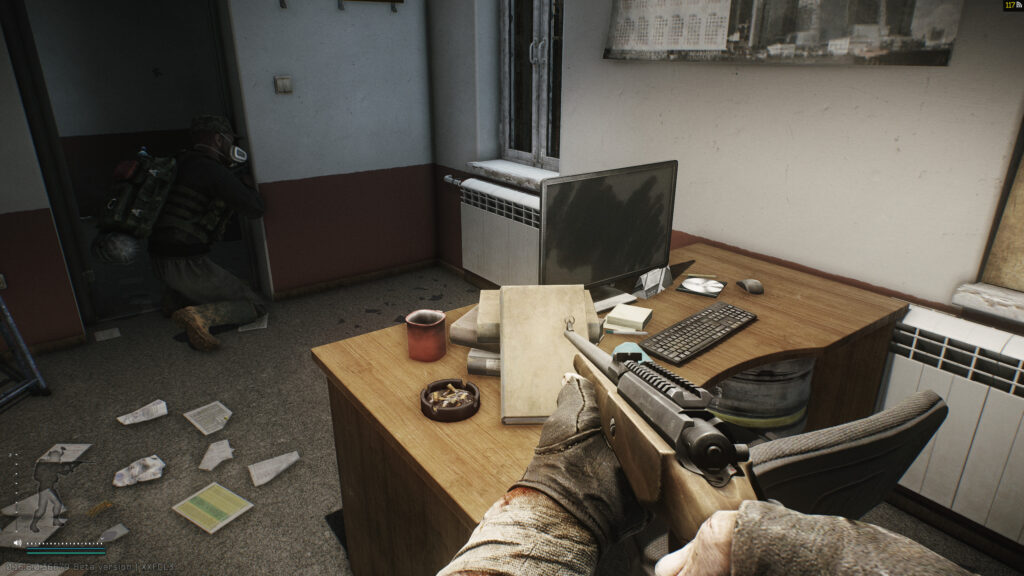
Create a personal “hot list” each wipe of 15–20 items that are always worth grabbing. Print it, keep it on a second monitor, or memorize it. Update the list as the market shifts—what was hot week one may tank by week four. Staying nimble ensures every slot in your backpack works toward profit.
Remember containers: jackets, toolboxes, PCs, and medbags often hide mid-tier valuables other players skip. A jacket with a key worth 150k+ beats hauling out a half-broken armor. Efficient looters open everything quickly, sort silently, and move on before attention turns their way.
Use the Flea Market Efficiently
Flip basic items like painkillers, food, and ammo. Always check the cost of crafts vs. market prices. Many items from Scav runs can be flipped for double value with minimal effort. Know when to hold and when to sell.
Set quick filters for “demand staples” (stims, screws, wires, grenades) and watch their average prices. If ingredients spike, sell the raw materials; if finished goods spike, craft and flip. Avoid undercut wars—list just below the median and move on. Track taxes: sometimes selling to a trader nets similar profit without flea taxes. When in doubt, list during peak hours for faster turnover and unlist/relist if prices crash.
Leverage barter chains: some low-value items can be bartered up to gear or components that sell higher. Example: cheap food → barter for med kits → sell to Therapist for tidy profit. Knowing these chains ahead of time lets you convert “junk” into liquid roubles.
Keep a handful of “liquidators”—items that sell instantly (propane tanks, screwdrivers, wires) to traders for stable prices. Offload them when you need fast cash for a kit, rather than waiting on flea sales. Stability beats chasing an extra 2–3k profit if you need gear now.
Safe Routes and Maps for Profit
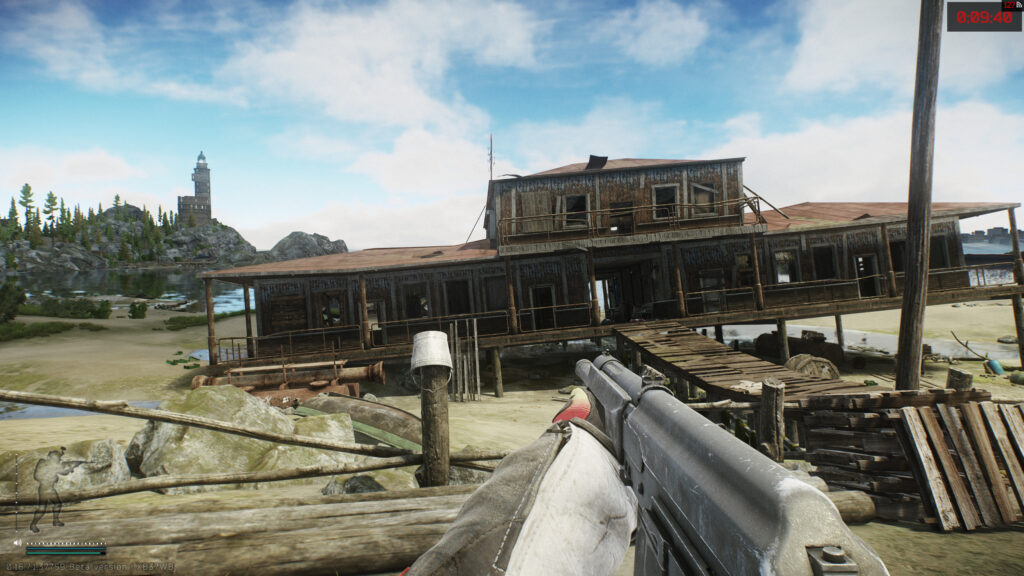
Stick to low-conflict areas: Dead Scav zones on Woods, hidden stashes on Shoreline, and rural cabins on Lighthouse. Avoid Dorms and Labs unless you’re prepared for PvP. Playing slow and methodically yields steady income with fewer deaths.
Build a “stash loop” on each map: a circuit of buried stashes, toolboxes, and med bags that avoids common PvP funnels. On Woods, skirt the map edge hitting hidden stashes and Scav bodies; on Shoreline, weave between cottages and village stashes instead of sprinting Resort; on Lighthouse, farm the outskirts and waterline crates rather than Rogue compound firefights. Mark extracts with low traffic and rotate them so you’re unpredictable to campers.
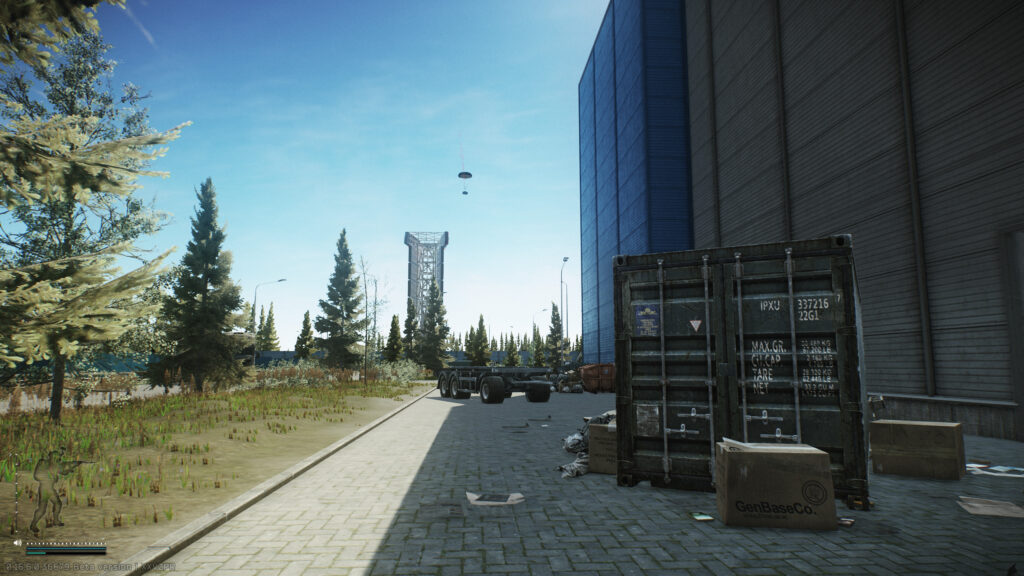
Adjust routes by raid timer. Early minutes: avoid high-traffic spawns and rushes. Mid-raid: swing through secondary loot zones as PvP cools down. Late-raid: hit extracts-side stashes while most players are gone. Timing your movement with the server’s pulse keeps you alive.
Sound discipline equals profit. Walk when near loot rooms, sprint only to cross open kill zones, and use alternate paths (fences, rocks, rivers) to bypass chokepoints. The fewer gunfights you start, the more roubles you keep.
Conclusion: Reliable Wealth Is Possible
Tarkov’s economy rewards caution, awareness, and efficiency. Whether it’s through Scav looting, smart crafting, or safe flipping, there are dozens of ways to earn without risking your best kits. Master the low-risk grind, and you’ll always have cash to fund your fights.
Set daily micro-goals—two profitable Scav runs, one craft cycle, one safe PMC stash route—and stick to them. Reinvest gains into hideout upgrades that print value (Workbench, Medstation) and keep a reserve of mid-tier kits for emergencies. With discipline, you’ll transform “just surviving” into sustainable wealth, letting you choose when to go loud instead of being forced to.
Review your economy weekly: what worked, what didn’t, and which items/paths paid best. Trim inefficiencies, double down on winners, and you’ll find that “minimal risk” doesn’t mean “minimal profit”—it means consistent, compounding profit that carries you through the wipe’s toughest stretches.
Leave a Reply